.webp)
France is one of the largest and most important humanitarian donors. With a contribution reaching 1 Billion euros in 2025 (Ministère de l’Europe et des Affaires Etrangères), the country plays a crucial role in providing aid all over the world, especially to those with deep shared historical ties. France is highly relevant to donor engagement efforts due to its strong diaspora presence, emotional attachment to crisis regions, and its public’s increasing demand for transparency.
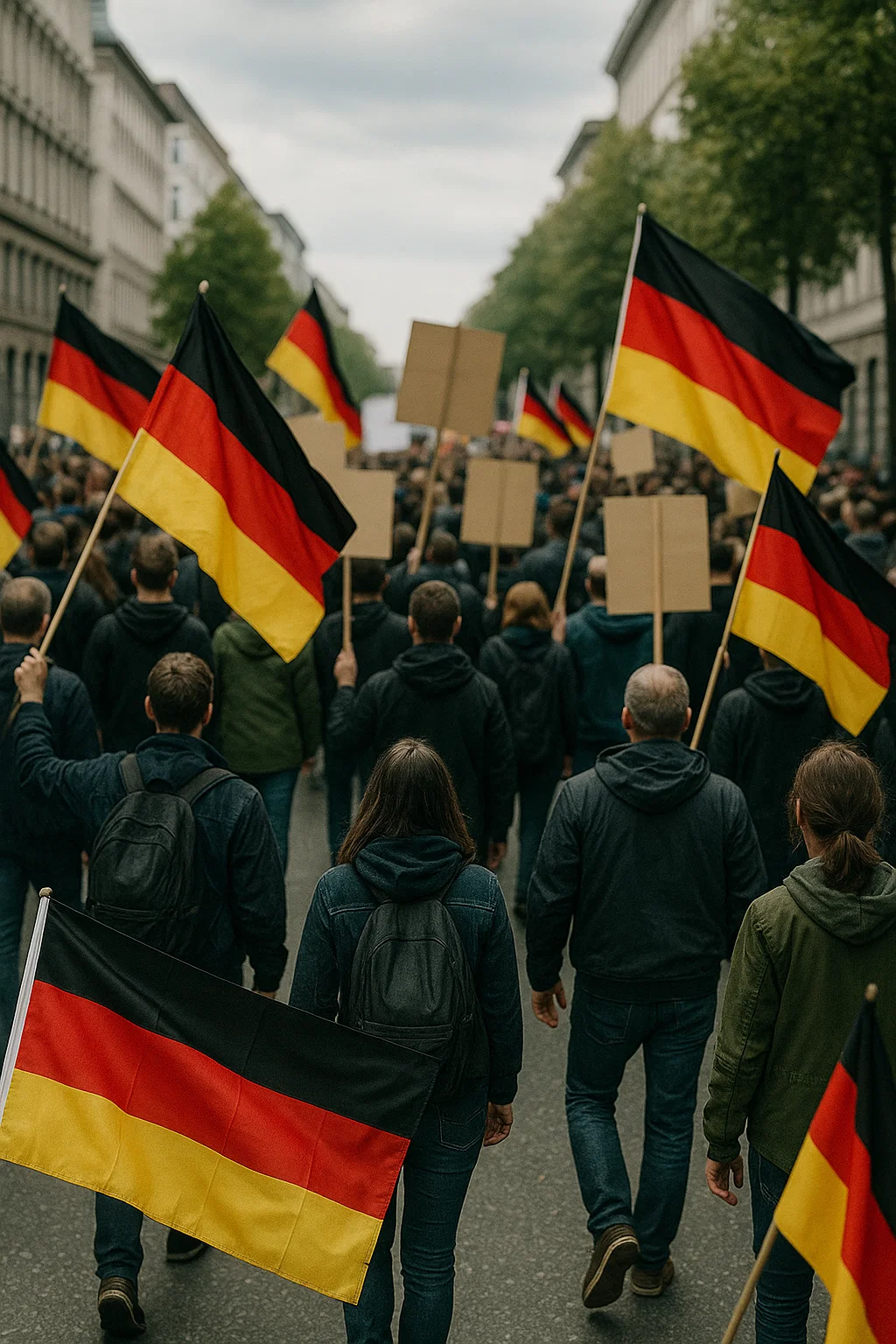
Far-right parties increasingly frame humanitarian aid as wasteful or ideologically biased. While 59% of French people support maintaining or increasing Official Development Assistance (ODA), support is far lower among far-right voters. Public support for reducing aid has fallen from 43% in 2013 to 27% in 2025, reflecting both politicization and fatigue.
French media ownership is increasingly concentrated among far-right billionaires like Vincent Bolloré and Pierre-Édouard Stérin, who have influence over outlets such as CNews and Europe 1. These media often push anti-aid narratives and amplify fears over misuse of funds.
Despite France’s global aid leadership, only 13% of French citizens believe that ODA is effective. Concerns include corruption in recipient countries and the belief that aid fosters long-term dependency.
The Madleen boat mission to Gaza sparked both strong support and sharp criticism across political and media platforms demonstrating that even humanitarian efforts are increasingly politicized in the public eye.
Inflation peaked at 5.9% in April 2023, though it stabilized to 0.8% by April 2025, but public perception of financial hardship persists. 28% of donors now prefer to give to local causes rather than international ones.
Though difficult to quantify directly, political discourse increasingly emphasizes the idea that “we help others while French citizens struggle,” especially in rural or economically fragile areas. This aligns with the 27% of people supporting reduced aid and the broader rise of nationalist rhetoric.
Contrary to common belief, the 75% tax deduction for donations up to €1,000 remains in effect until at least 2026, and has been extended to new areas (e.g., domestic violence aid and religious heritage). The only change was removing automatic indexation of the ceiling.

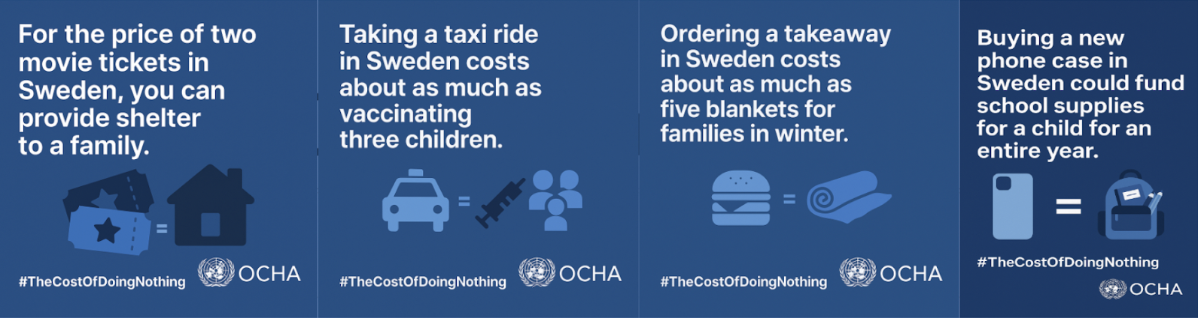



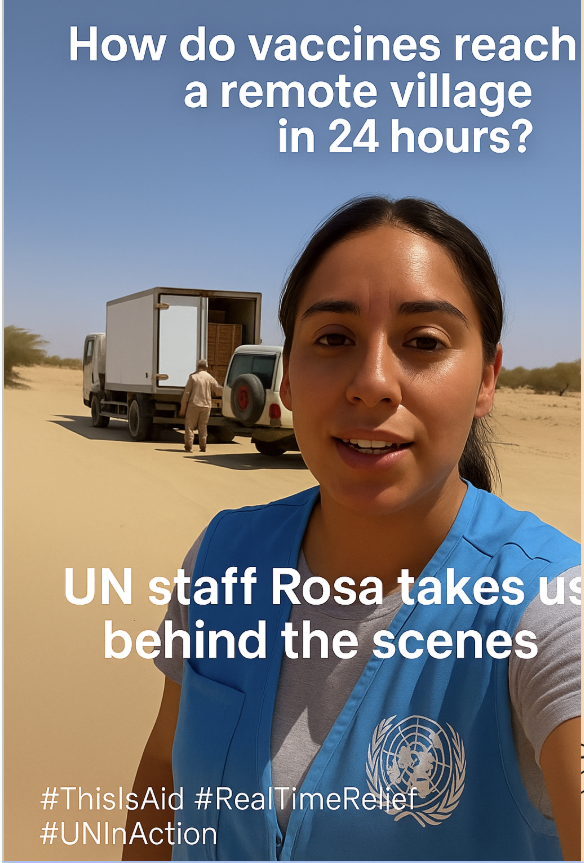
Delivers water purification tablets for a family for 1 week or provides a basic hygiene kit.
Supports emergency education materials for a displaced child or funds thermal blankets for 4 people.
Covers the cost of a week’s worth of food rations for a family of four or stocks a medical emergency kit for field use.
Enables mobile medical outreach, including staff transport and treatment, or helps install a clean water source in crisis-affected areas.
Would allow a person to access a full hygiene kit
Would guarantee access to clean water for an entire family for a week
Would guarantee one month of nutritious food for a child
Contributes to one day of a mobile clinic covering all costs
Contributes to emergency logistics (fuel, cold chain for vaccines, airlift costs for remote zones)



.jpg)

.svg)