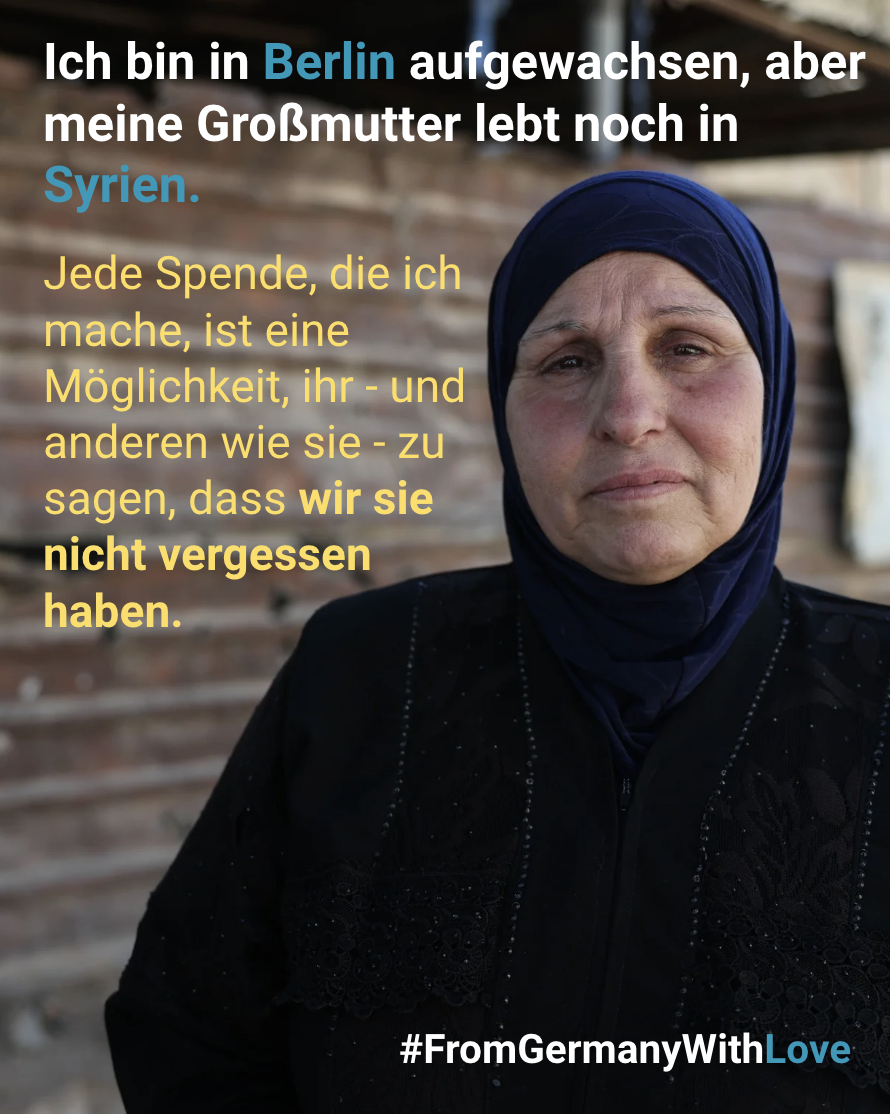
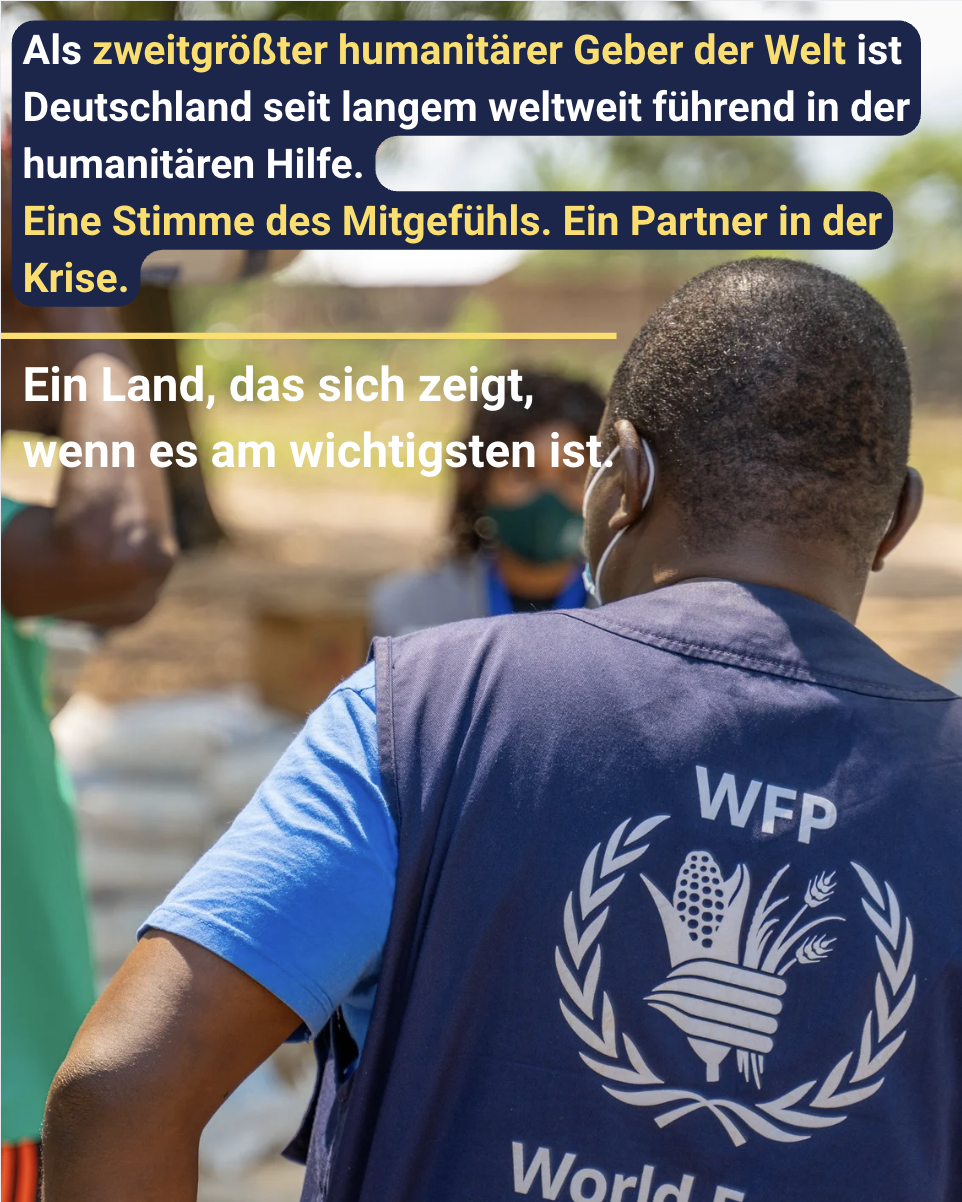
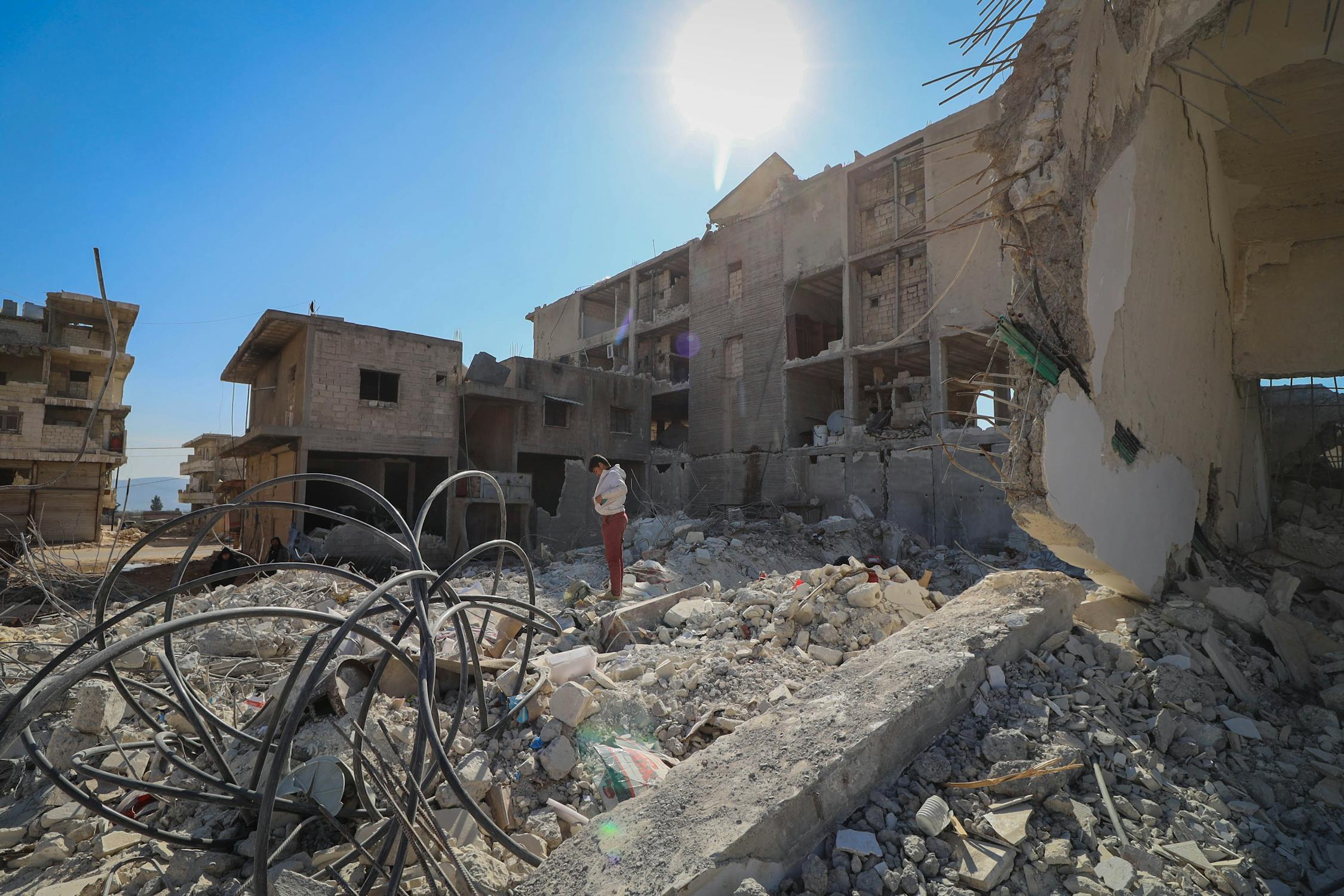
Germany has long been one of the leading voices in global humanitarian action –respected, trusted and impactful. In 2023, German contributions made up 10.6% of global humanitarian aid, setting it as the second largest donor in the world. With this historic role, Germany has become the face of European crisis relief, guiding the region with its compassion, pledging to stand with millions of children, families and communities at risk in North Africa and the Middle East.
Hence, as countries begin to pull away from their humanitarian responsibilities–all eyes turn towards Germany.
Will Germany continue to lead humanitarian action, or quietly retreat from it?
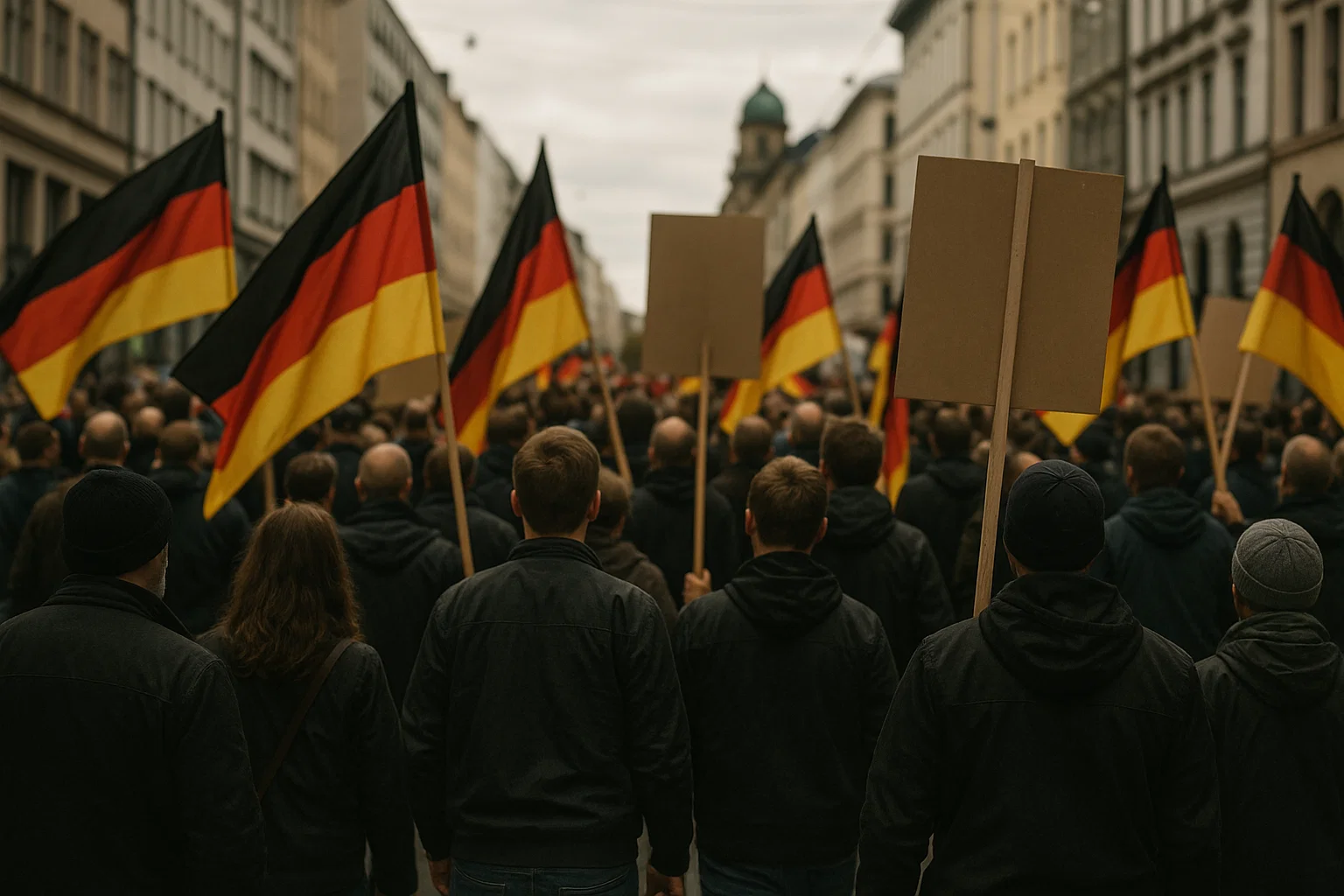
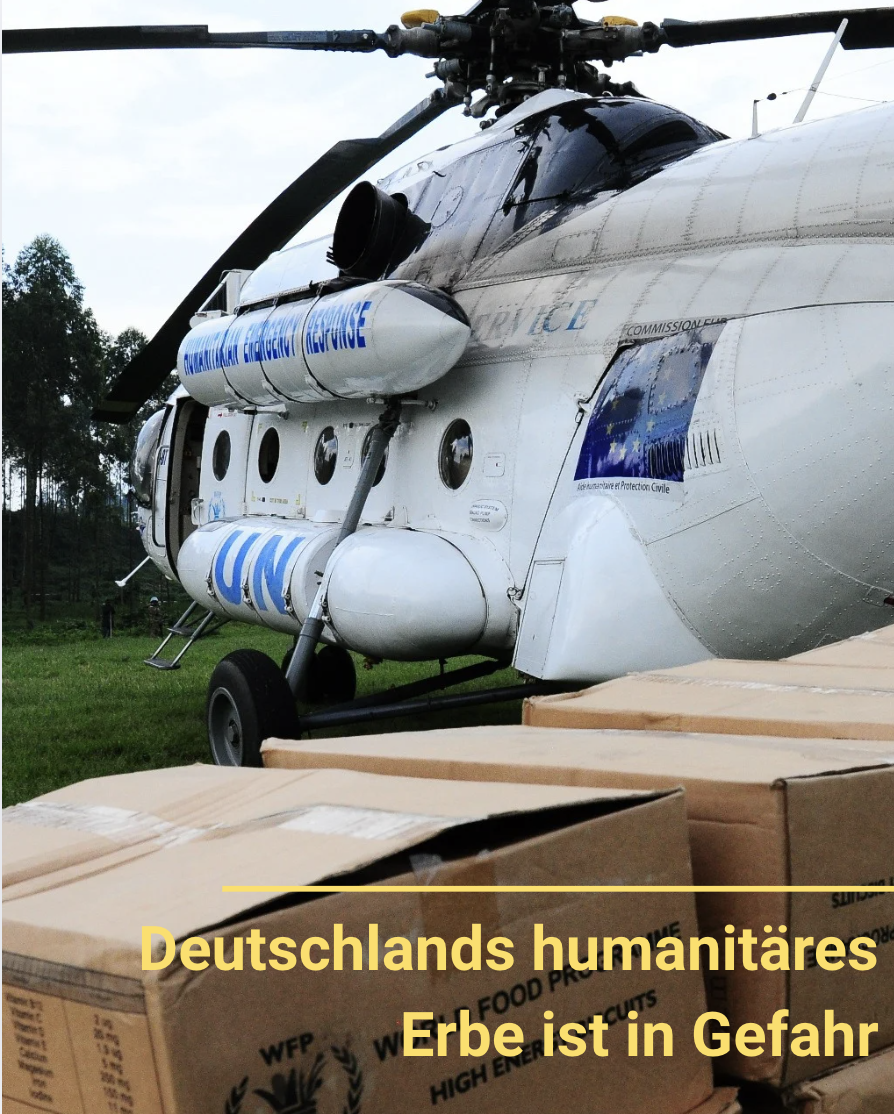
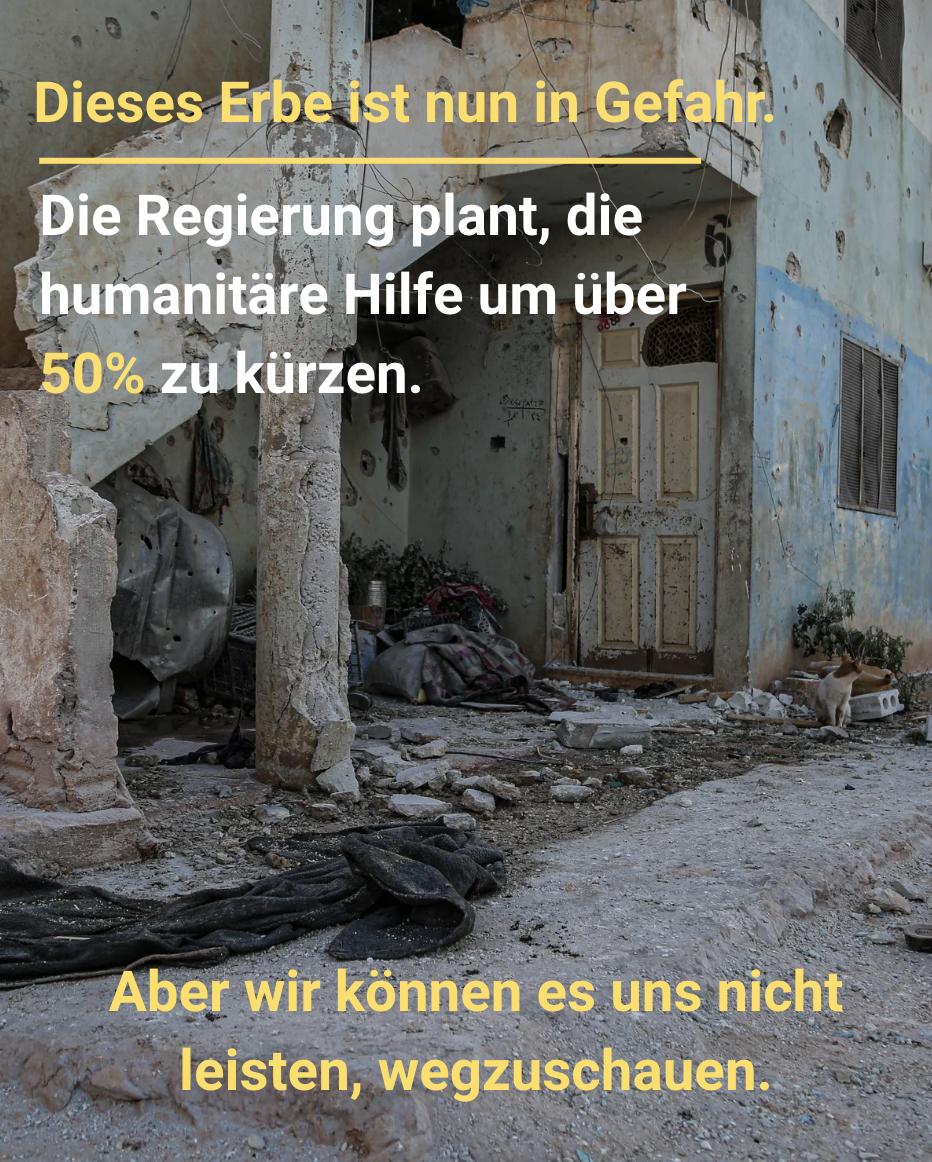
Germany’s humanitarian legacy is under pressure as the government prepares to cut funding by 53%, setting the total budget the lowest it has been in years. Public funding, alongside with individual donations, is constrained by the economic hardship of inflation, low disposable income and a housing crisis. Political polarization continues to pressure public opinion and ignite mistrust amongst Germans.
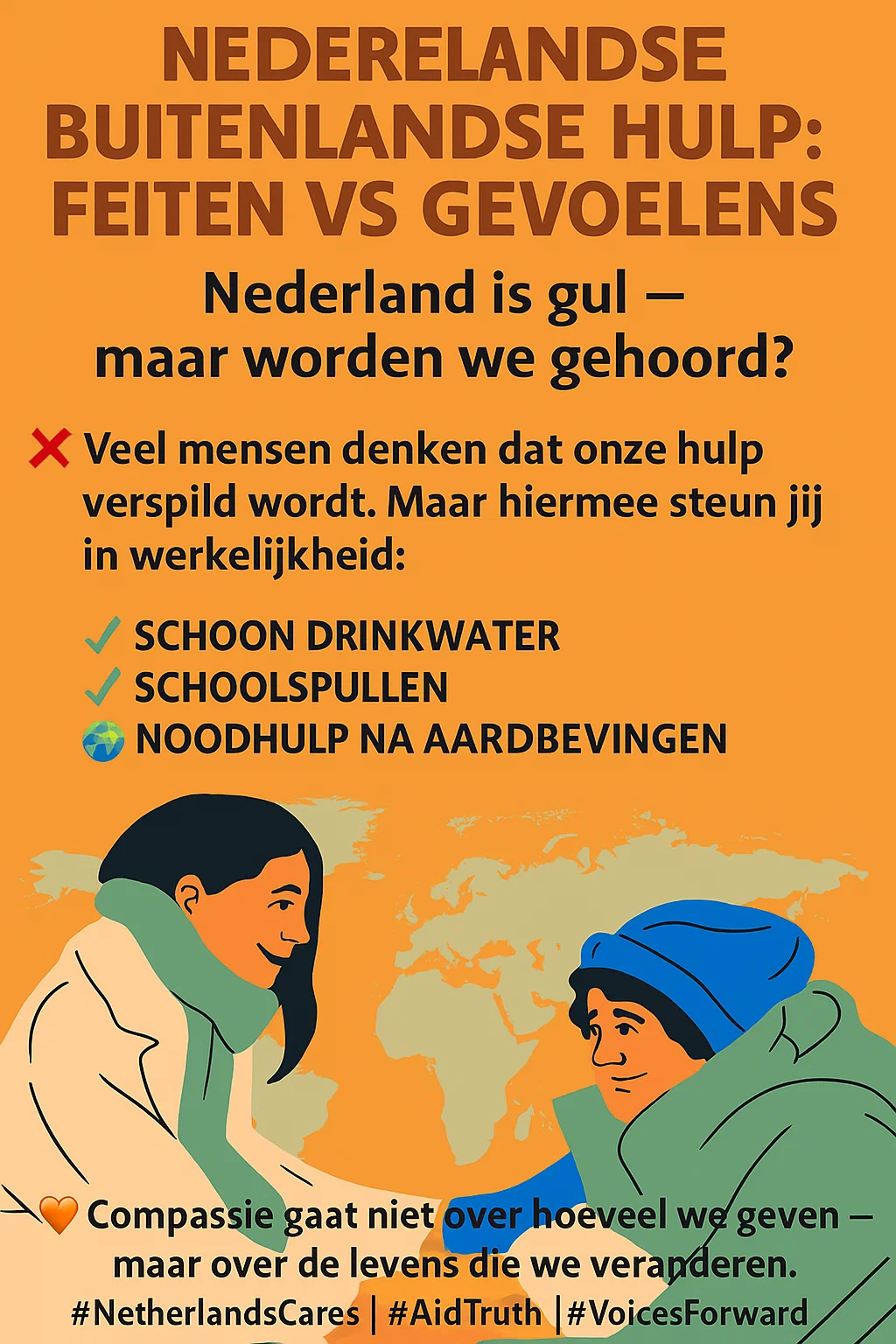
Expecting transparency, here are some truths to clear up the flawed narrative that plagues German media:




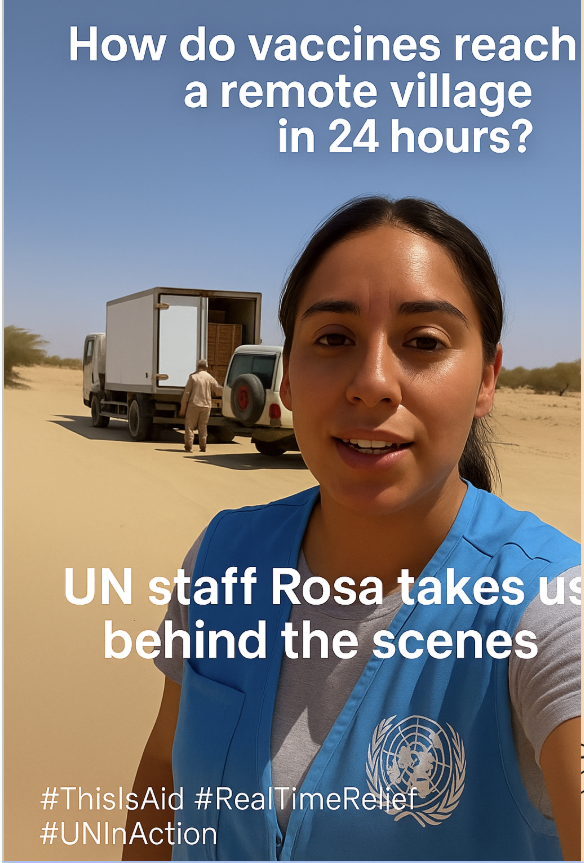
Where to Donate?
German Red Cross (Deutsches Rotes Kreuz) - Donate here
Arbeiter-Samariter-Bund (ASB) - Donate here
Caritas International - Donate here
Aktion Deutschland Hilft - Donate here
United Nations OCHA (Office for the Coordination of Humanitarian Affairs) - Donate here

Where Does Your Money Go?
“One donation. Two lives affected. Two reasons to believe.”
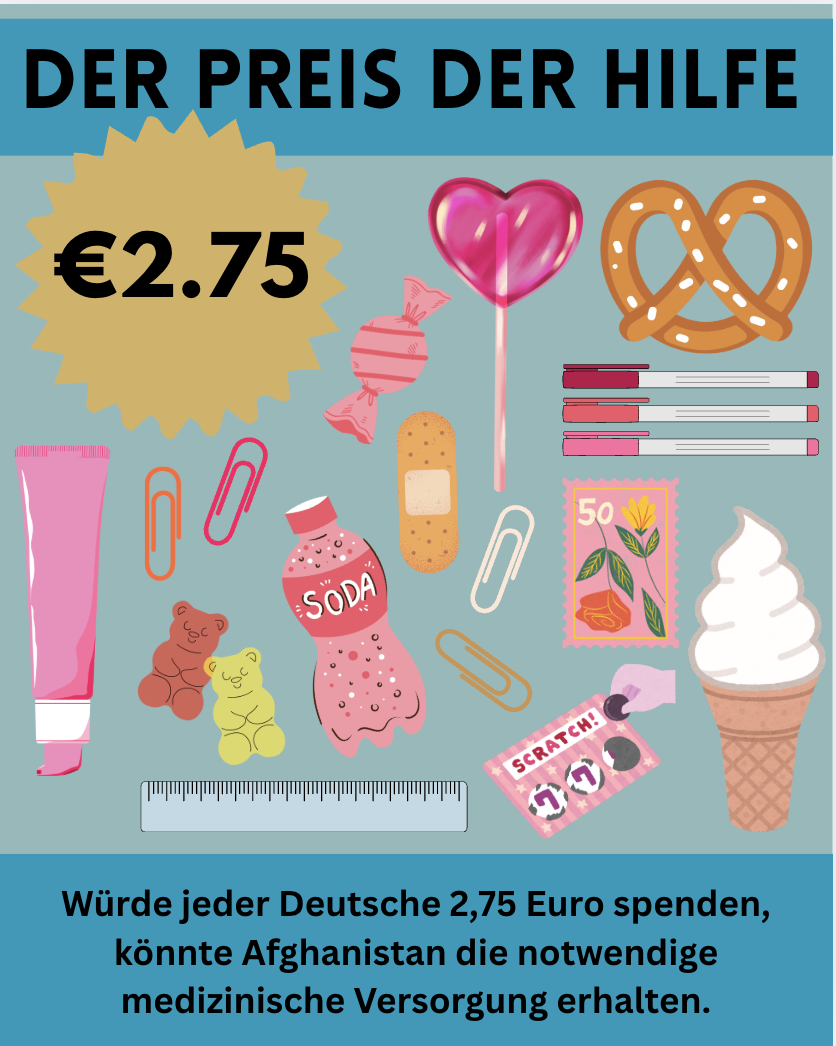
For every humanitarian victim in Jordan to receive a medical consultation that could save their life, every German would need to donate €2.91.
All it takes is a small act from each of us—to create safety, dignity, and healing for millions.

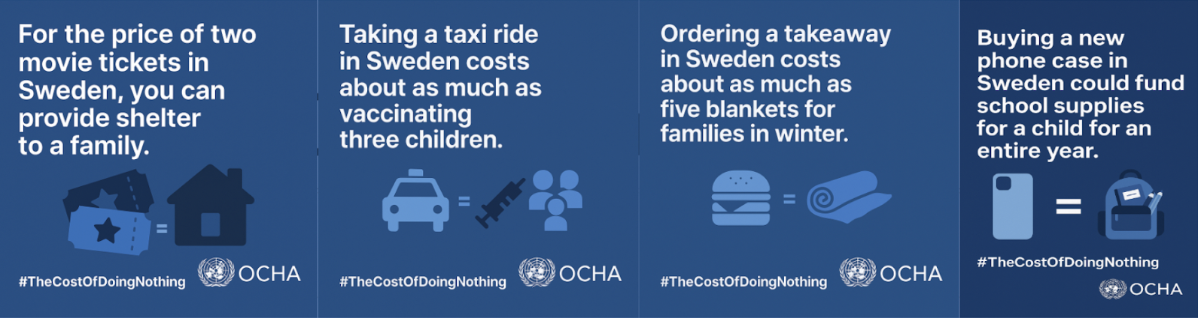
Delivers water purification tablets for a family for 1 week or provides a basic hygiene kit.
Supports emergency education materials for a displaced child or funds thermal blankets for 4 people.
Covers the cost of a week’s worth of food rations for a family of four or stocks a medical emergency kit for field use.
Enables mobile medical outreach, including staff transport and treatment, or helps install a clean water source in crisis-affected areas.
Would allow a person to access a full hygiene kit
Would guarantee access to clean water for an entire family for a week
Would guarantee one month of nutritious food for a child
Contributes to one day of a mobile clinic covering all costs
Contributes to emergency logistics (fuel, cold chain for vaccines, airlift costs for remote zones)



.jpg)

.svg)