Sweden is a global humanitarian leader and a longstanding partner of OCHA. Despite global declines in aid contributions, Sweden has maintained a relatively steady commitment, providing both significant funding and policy leadership. Its engagement is vital to promoting a more predictable, flexible, and effective humanitarian response, especially through its support for multilateral mechanisms.
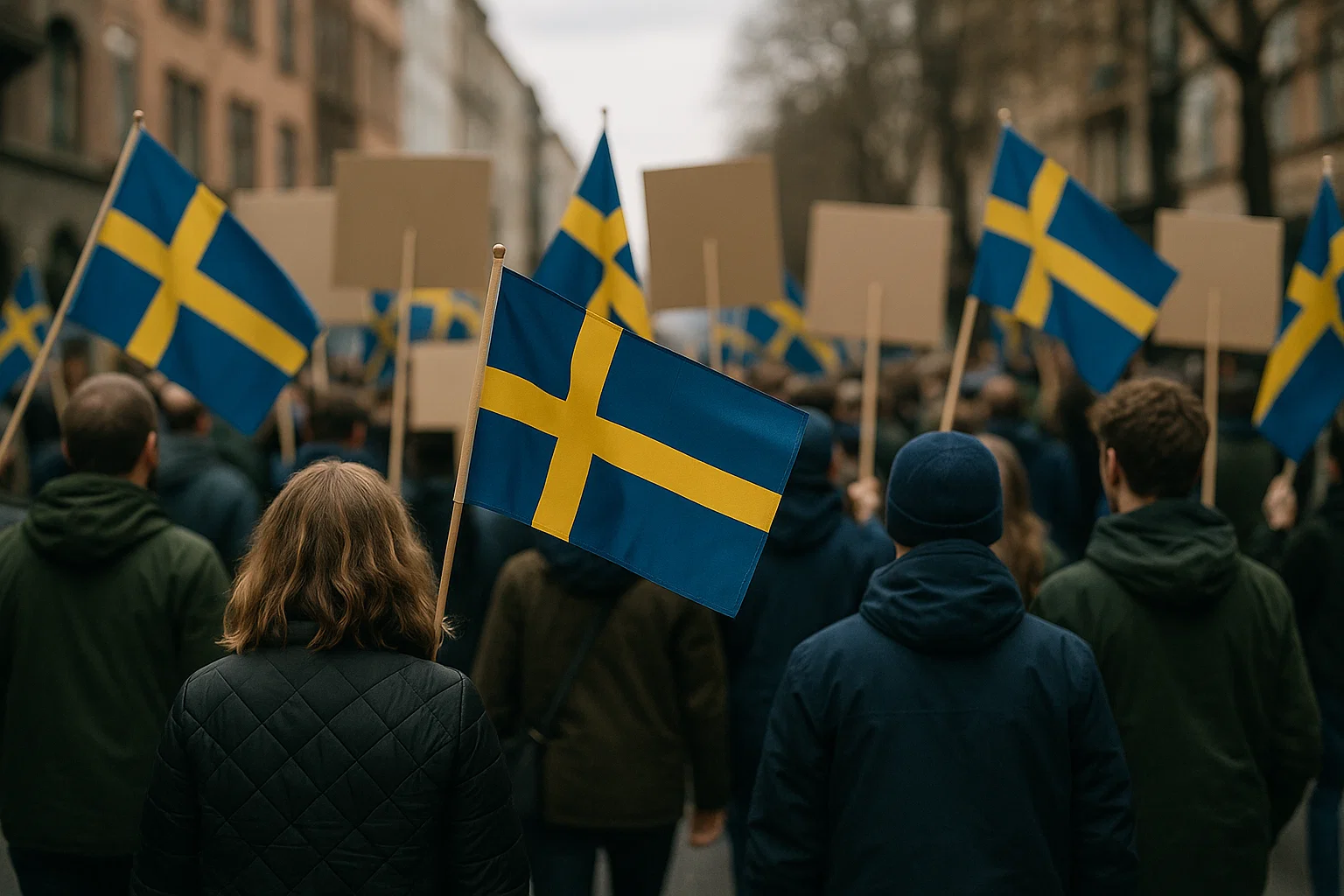
Following the 2022 elections, Sweden’s political landscape has shifted toward a more conservative orientation. This has led to heightened scrutiny of foreign aid, with increased demands to align humanitarian spending more closely with domestic priorities. While Sweden remains a top donor, political rhetoric increasingly questions the utility of foreign aid amid national budget debates.
Rising inflation and economic uncertainty have contributed to public donor fatigue. Although inflation decreased to 1.2% in 2025, the cost-of-living crisis has left lasting effects. A growing portion of the population now prioritizes local causes, reflecting a shift in donation preferences under perceived financial strain.
Swedish media coverage of aid has become more critical, with narratives often focused on the effectiveness and impact of humanitarian spending. Articles now increasingly question whether foreign aid reaches intended recipients or achieves meaningful results, rather than emphasizing its humanitarian necessity.
There is a growing call among both the public and policymakers for stronger accountability mechanisms. Citizens increasingly expect measurable outcomes and transparent reporting. Without demonstrable impact, maintaining high levels of public and political support becomes more challenging.
Humanitarian aid has become a point of public debate, particularly on issues involving migration and crisis response in the Middle East and Africa. Polarized opinions are increasingly visible on social media platforms, and humanitarian efforts are sometimes portrayed as ideologically driven rather than needs-based.
Once perceived as a cornerstone of Sweden’s global identity, international aid is now increasingly framed in instrumental terms—focusing on migration control or geopolitical influence. This shift has weakened the moral consensus around aid and made long-term support more vulnerable to political winds.
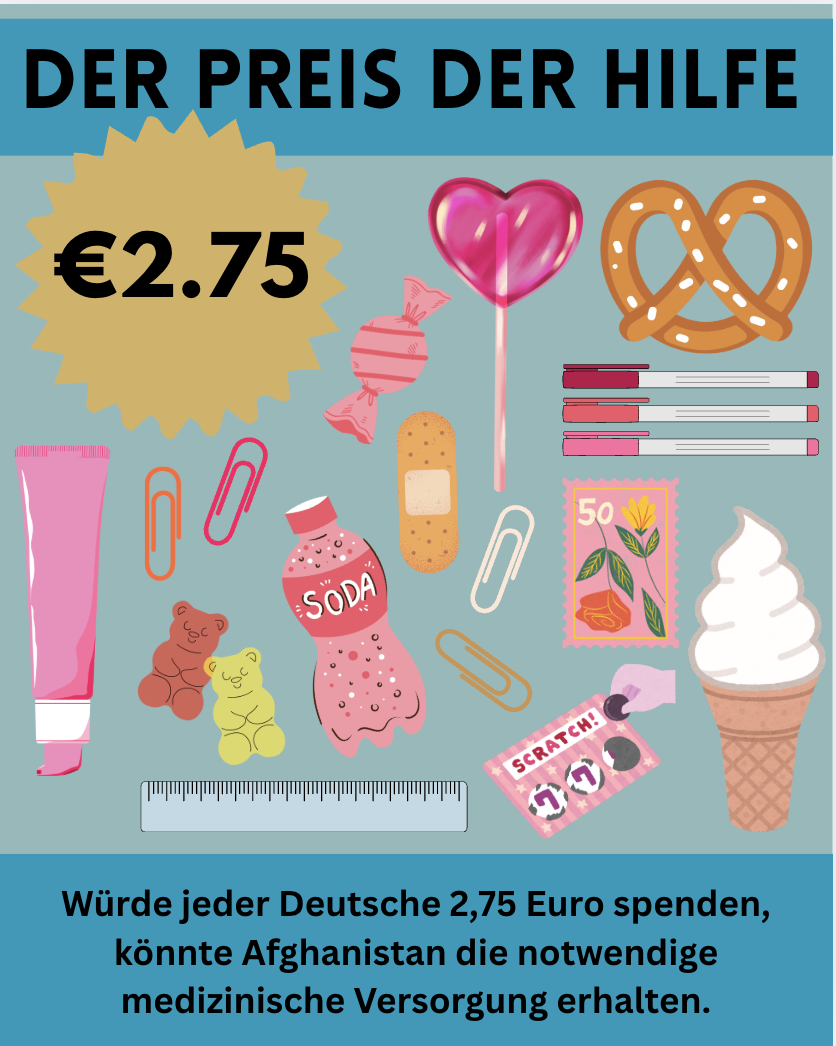

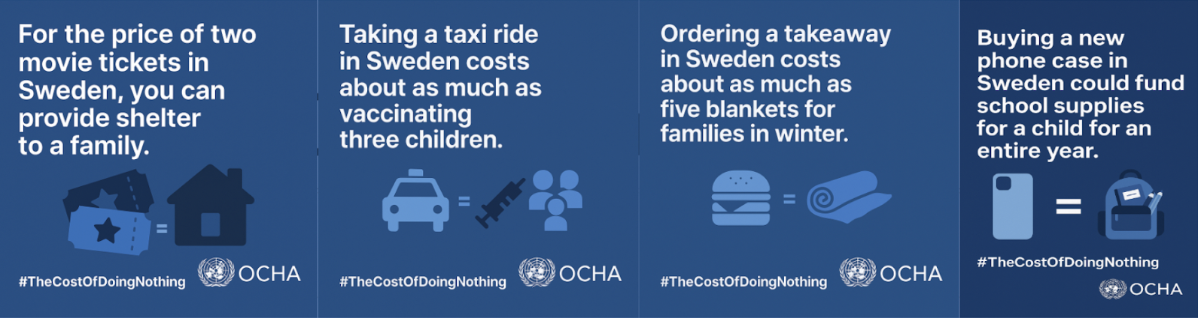



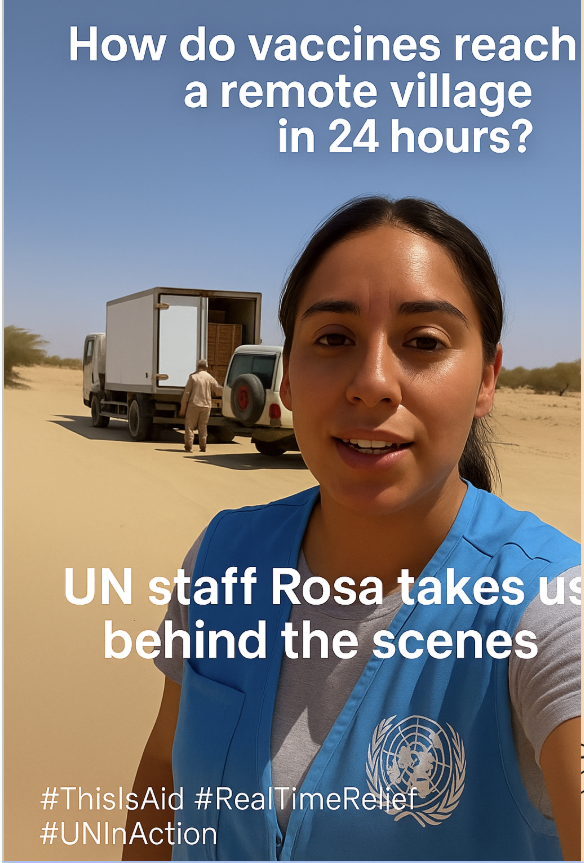
Delivers water purification tablets for a family for 1 week or provides a basic hygiene kit.
Supports emergency education materials for a displaced child or funds thermal blankets for 4 people.
Covers the cost of a week’s worth of food rations for a family of four or stocks a medical emergency kit for field use.
Enables mobile medical outreach, including staff transport and treatment, or helps install a clean water source in crisis-affected areas.
Would allow a person to access a full hygiene kit
Would guarantee access to clean water for an entire family for a week
Would guarantee one month of nutritious food for a child
Contributes to one day of a mobile clinic covering all costs
Contributes to emergency logistics (fuel, cold chain for vaccines, airlift costs for remote zones)



.jpg)

.svg)