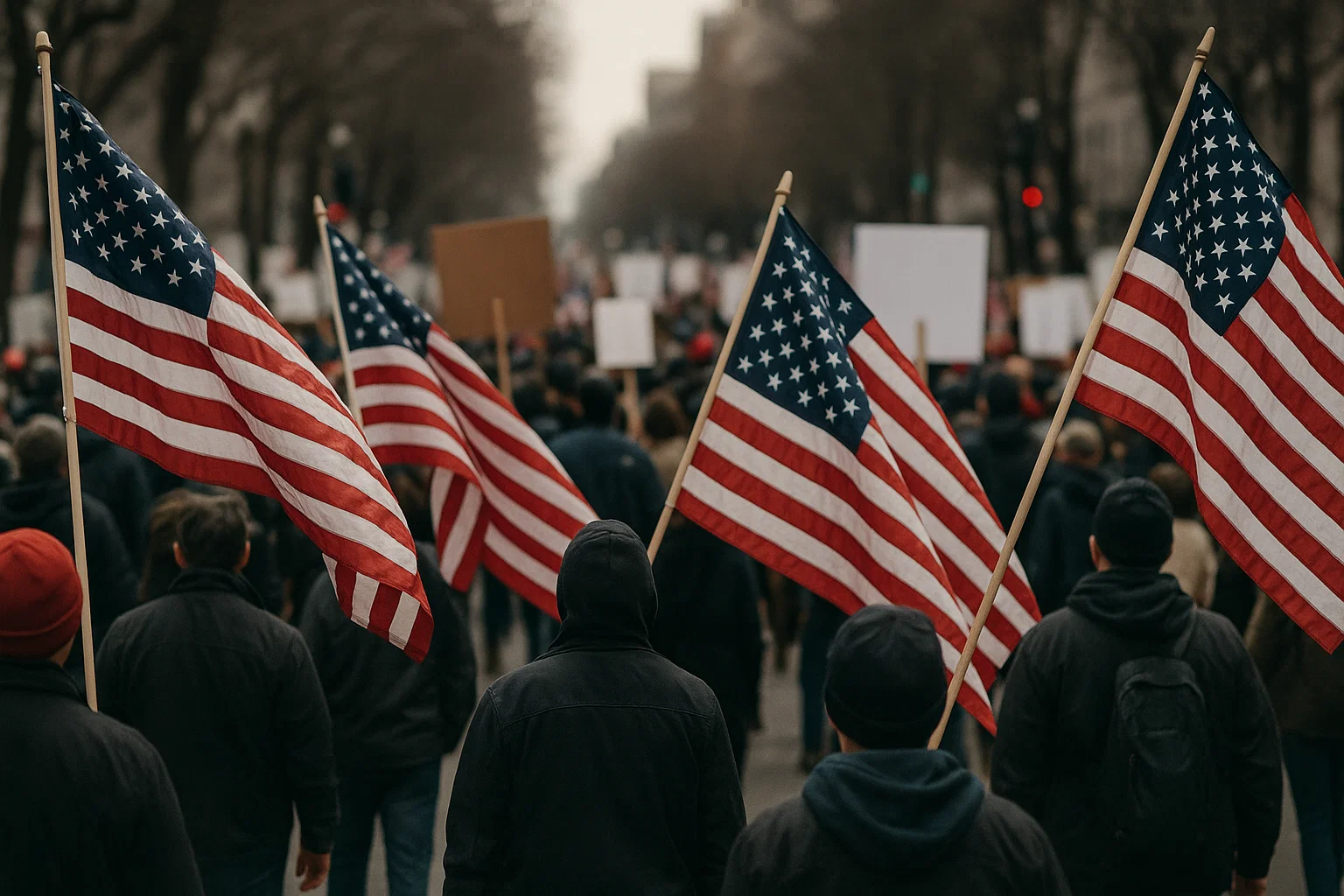
The United States is the world's largest humanitarian donor, contributing over $13.9B in humanitarian aid in 2024, representing about 42% of the UN-tracked total. However its deeply polarized political environment and growing domestic priorities present unique challenges for sustaining public support for humanitarian aid.
The return of Donald Trump to presidency has renewed an isolationist policy stance, emphasising national interests over global commitments. This brings the expectation that this administration will reduce foreign aid and limit multilateral engagement, especially with the United Nations. The involvement of the United States in the UN is heavily politicized, in which some political groups see the organization as a threat to sovereignty or as an inefficient use of taxpayer dollars. A large portion of the public prefers US aid to be directed to regions of strategic importance, rather than based solely on humanitarian need, which complicates needs-based advocacy.
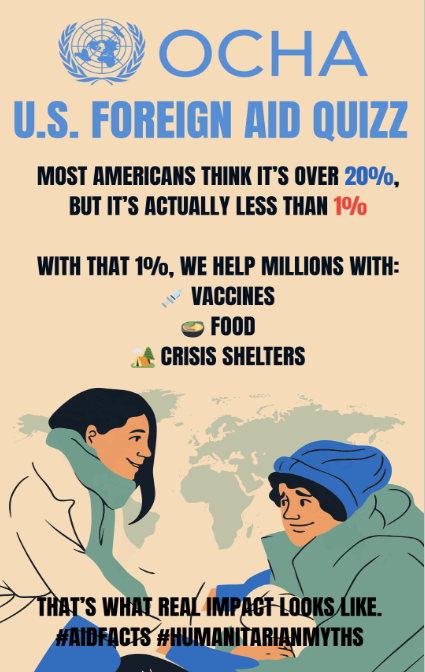
Many Americans believe that foreign aid consumes about 20% of the federal budget, when the actual figure is under 1%. This leads some to believe that cutting aid could meaningfully reduce the deficit. Additionally, political divisions are strong, in which 94% of democrats support foreign aid, compared to only 25% of republicans. Many feel that domestic needs, such as inflation, healthcare and housing should take precedence over international humanitarian support.
A majority of US respondents, 75%, are unfamiliar with UNOCHA, revealing a large awareness gap, especially among younger people. In addition, humanitarian giving tends to be reactive, and most Americans donate in response to crises that are highly visible in the media, rather than through sustained monthly contributions. Traditional media strongly influences perceptions among older, politically engaged Americans. Social media, specifically Instagram and TikTok, is dominant among Gen Z and Millennials, but UN visibility on these is low.
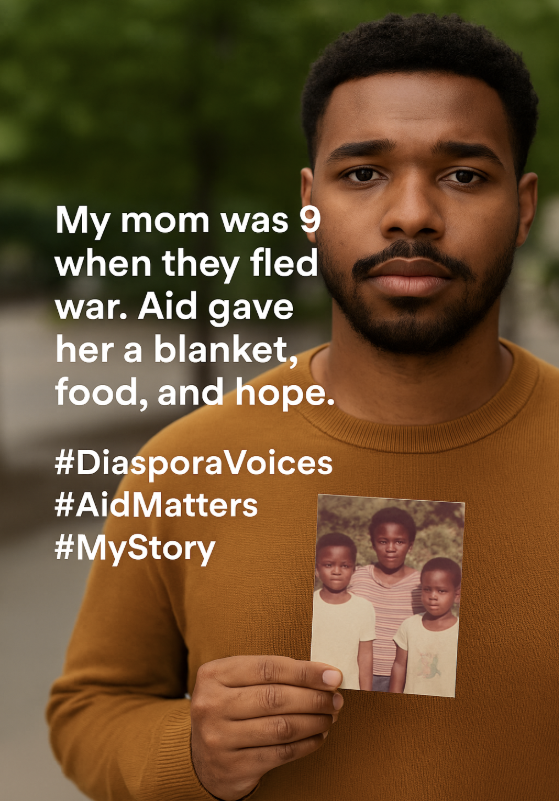
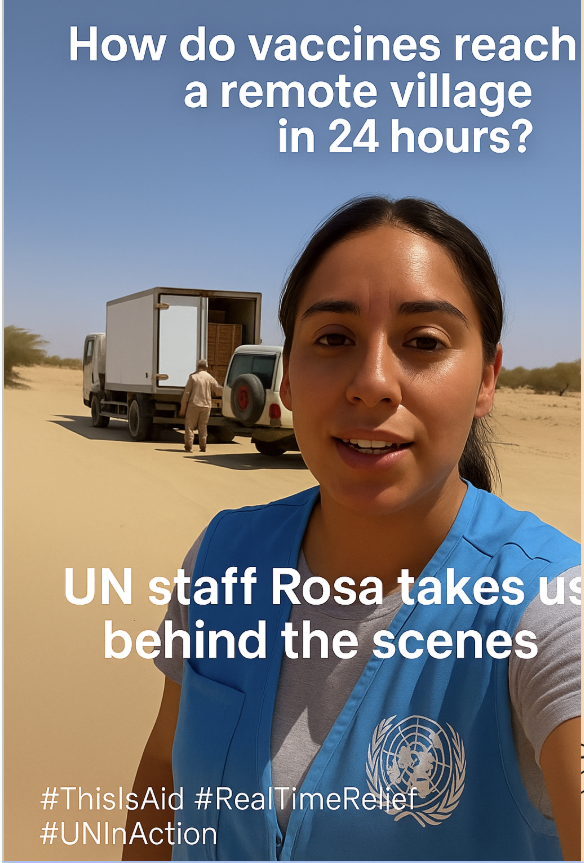
Transparency is a major concern, in which 43% of respondents say they do not donate because they do not know where the money goes. They seek real-time updates, visuals and personal stories, not abstract reports. Younger generations distrust large institutions, including the UN, they prefer grassroots campaigns and direct action that shows tangible impact. Economic constraints, especially among Gen Z and Millennials burdened by student debt and inflation, limit their ability to give regularly, and many prefer small, low-barrier and high-impact donations.
Americans are exposed to a constant stream of global crises, which can lead to emotional donor fatigue. The sheer number of causes competing for attention overwhelm donors, especially when campaigns lack clear, compelling impact stories.
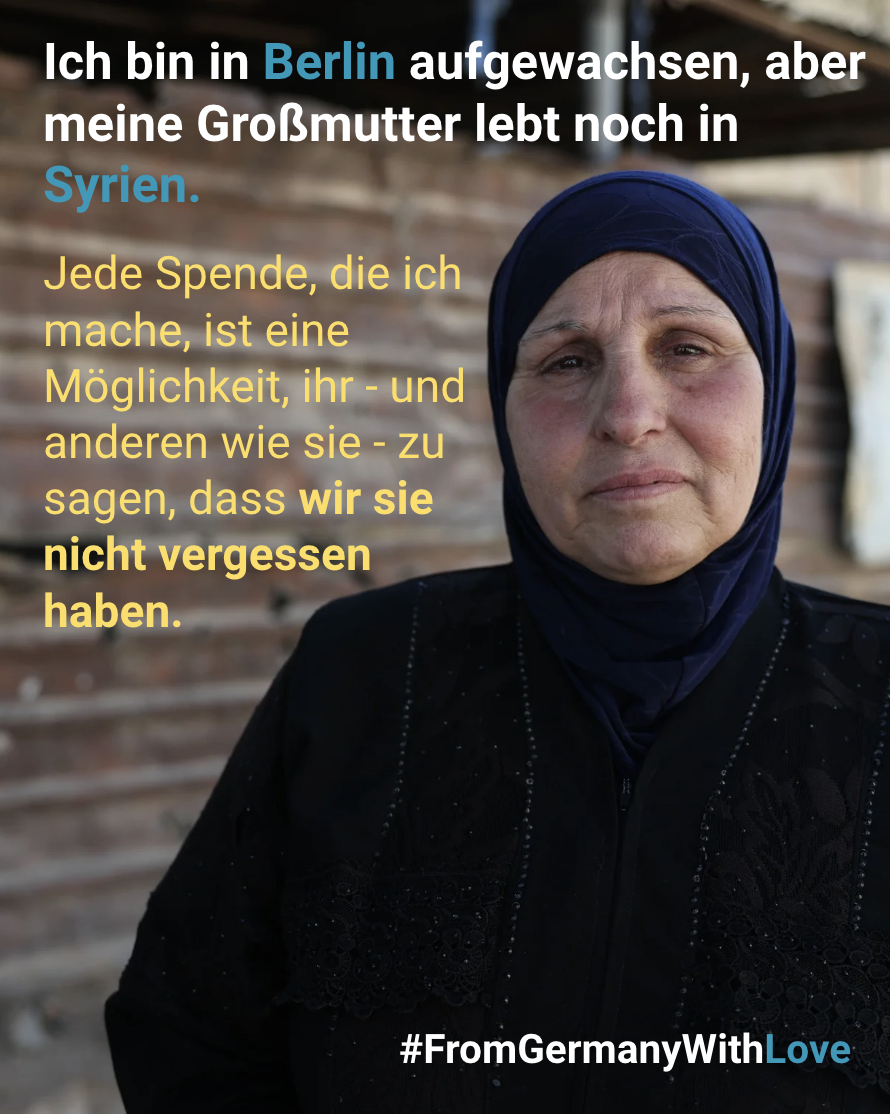
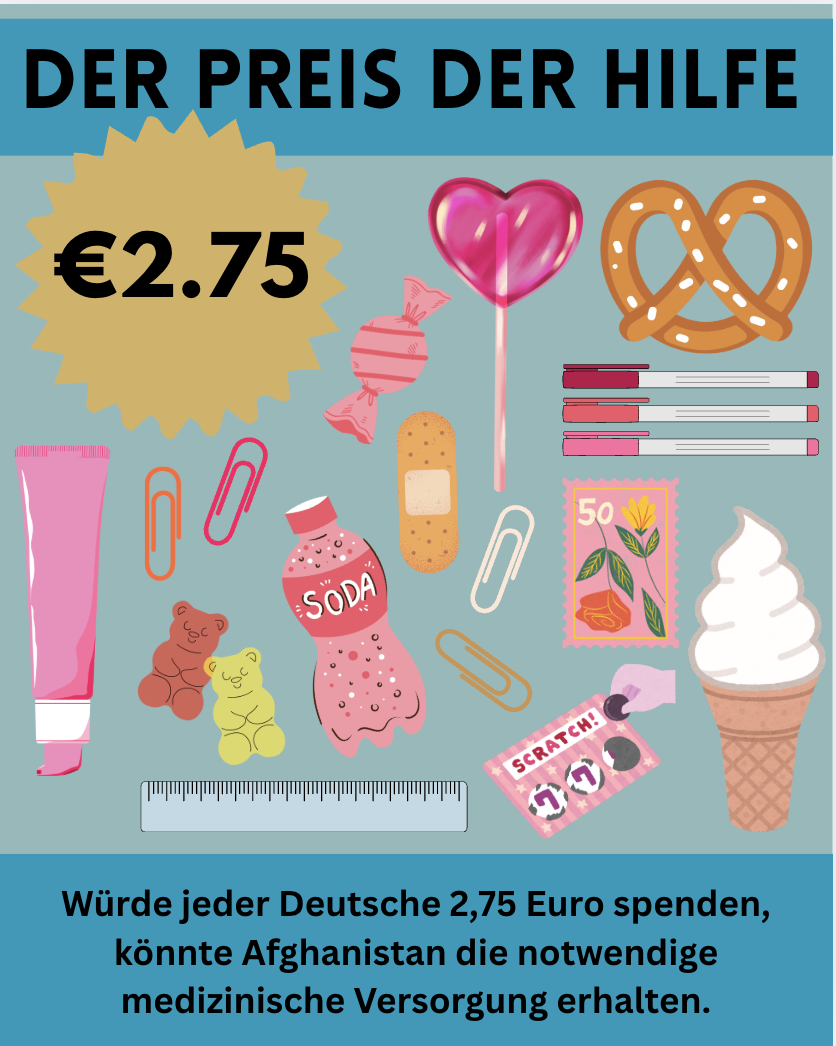

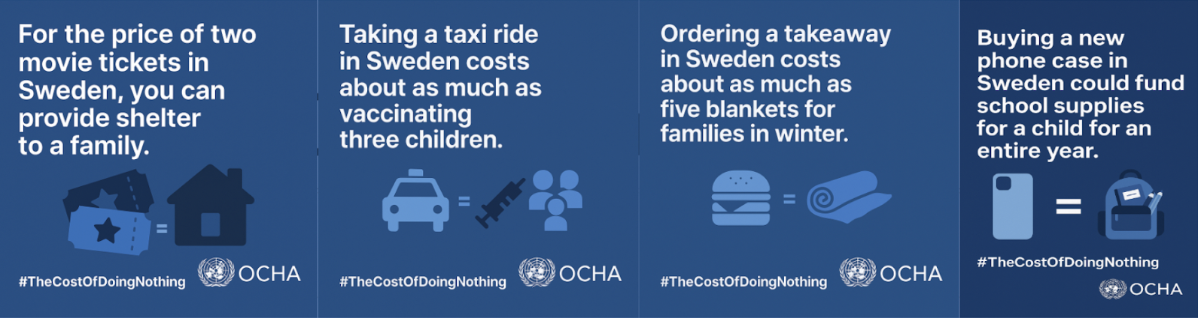



Delivers water purification tablets for a family for 1 week or provides a basic hygiene kit.
Supports emergency education materials for a displaced child or funds thermal blankets for 4 people.
Covers the cost of a week’s worth of food rations for a family of four or stocks a medical emergency kit for field use.
Enables mobile medical outreach, including staff transport and treatment, or helps install a clean water source in crisis-affected areas.
Would allow a person to access a full hygiene kit
Would guarantee access to clean water for an entire family for a week
Would guarantee one month of nutritious food for a child
Contributes to one day of a mobile clinic covering all costs
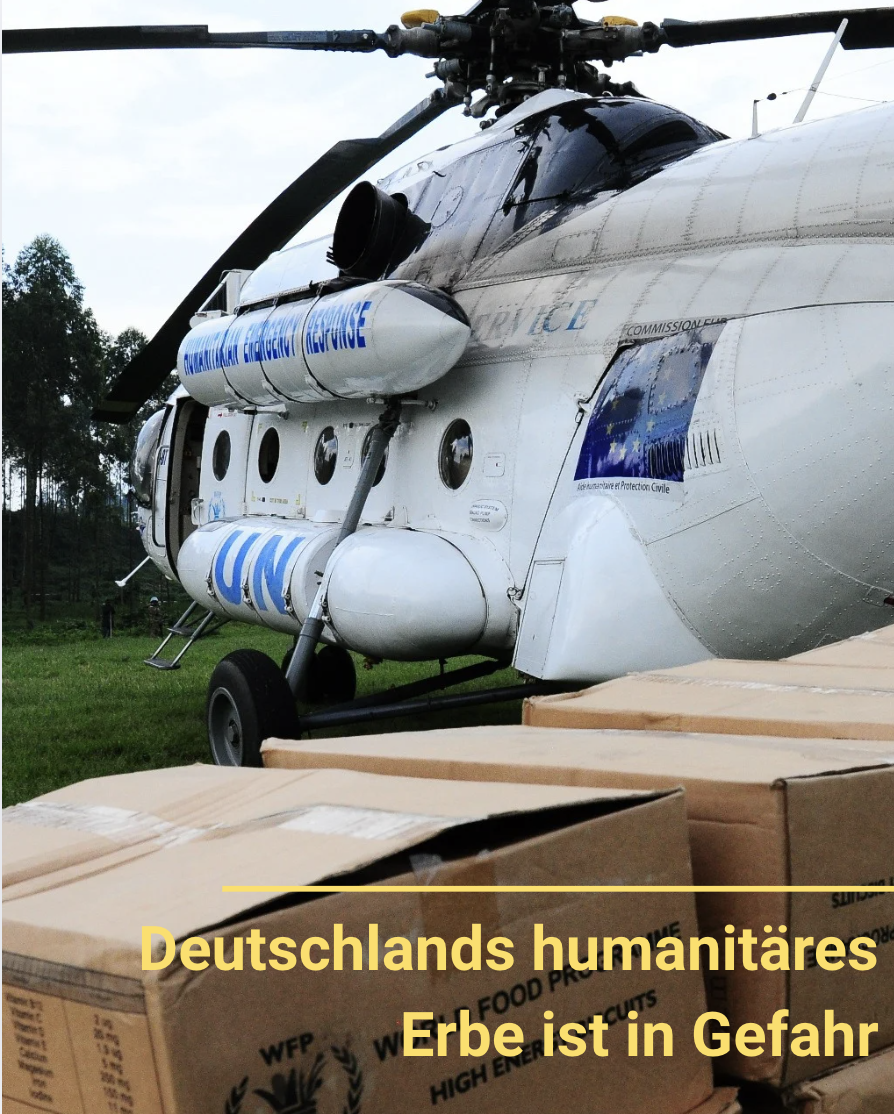
Contributes to emergency logistics (fuel, cold chain for vaccines, airlift costs for remote zones)




.jpg)

.svg)