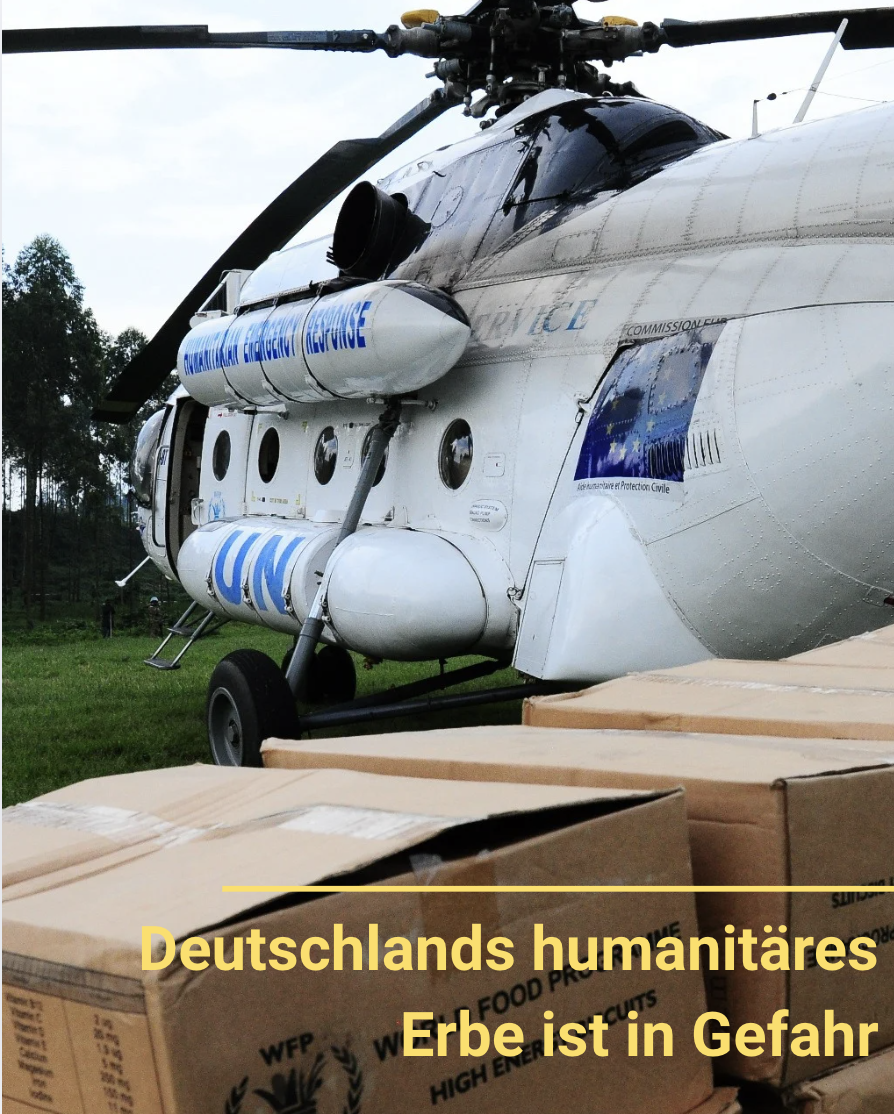
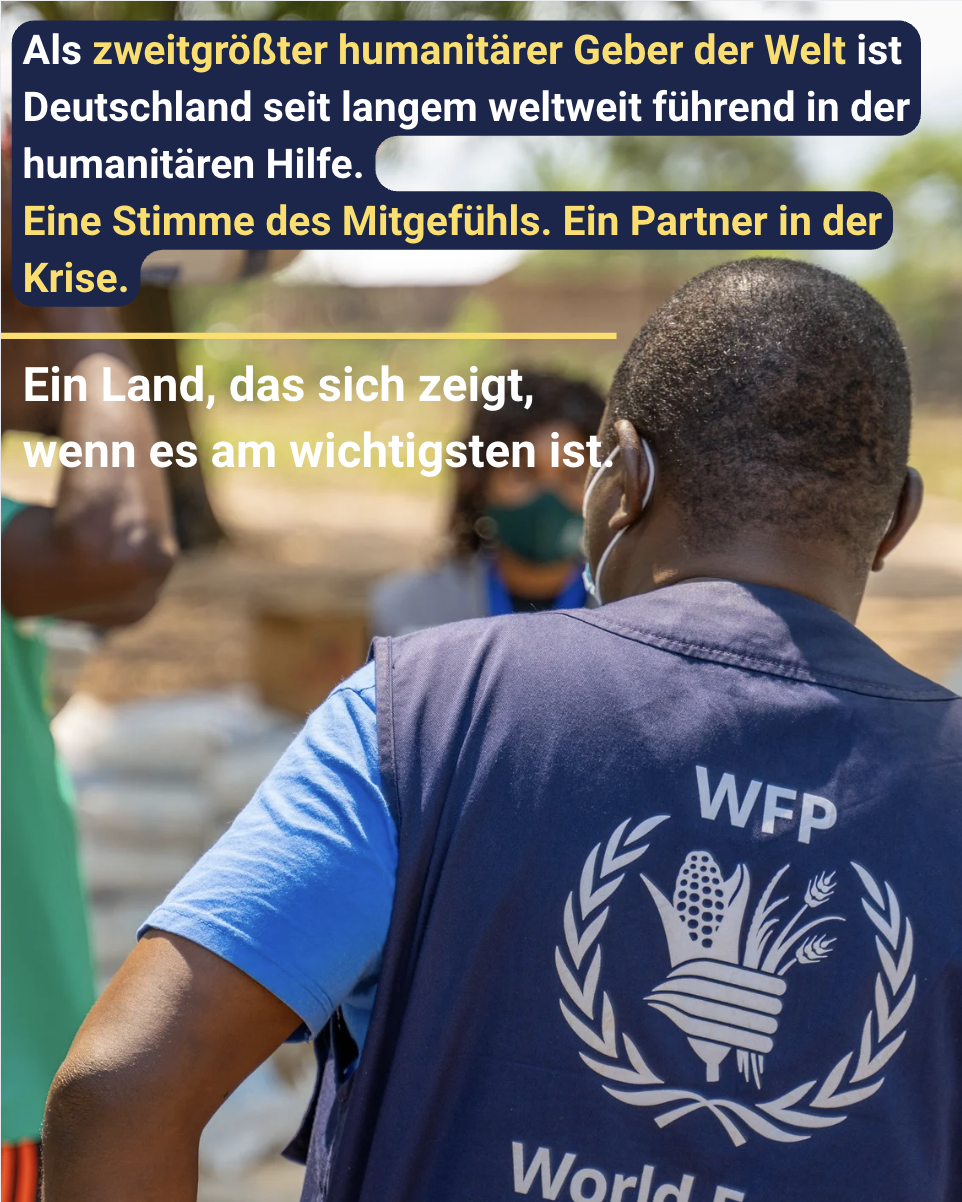
The Netherlands has a longstanding legacy as one of the world's leading humanitarian aid donors, consistently ranking among the top providers of official development assistance (ODA). In 2023, the Netherlands contributed over $7.4 billion, representing approximately 0.66% of its Gross National Income (GNI). Dutch humanitarian funding primarily supports early recovery initiatives, refugee assistance, and gender-based protection programs. However, this traditional generosity is facing significant threats due to shifting political priorities and budget reductions.
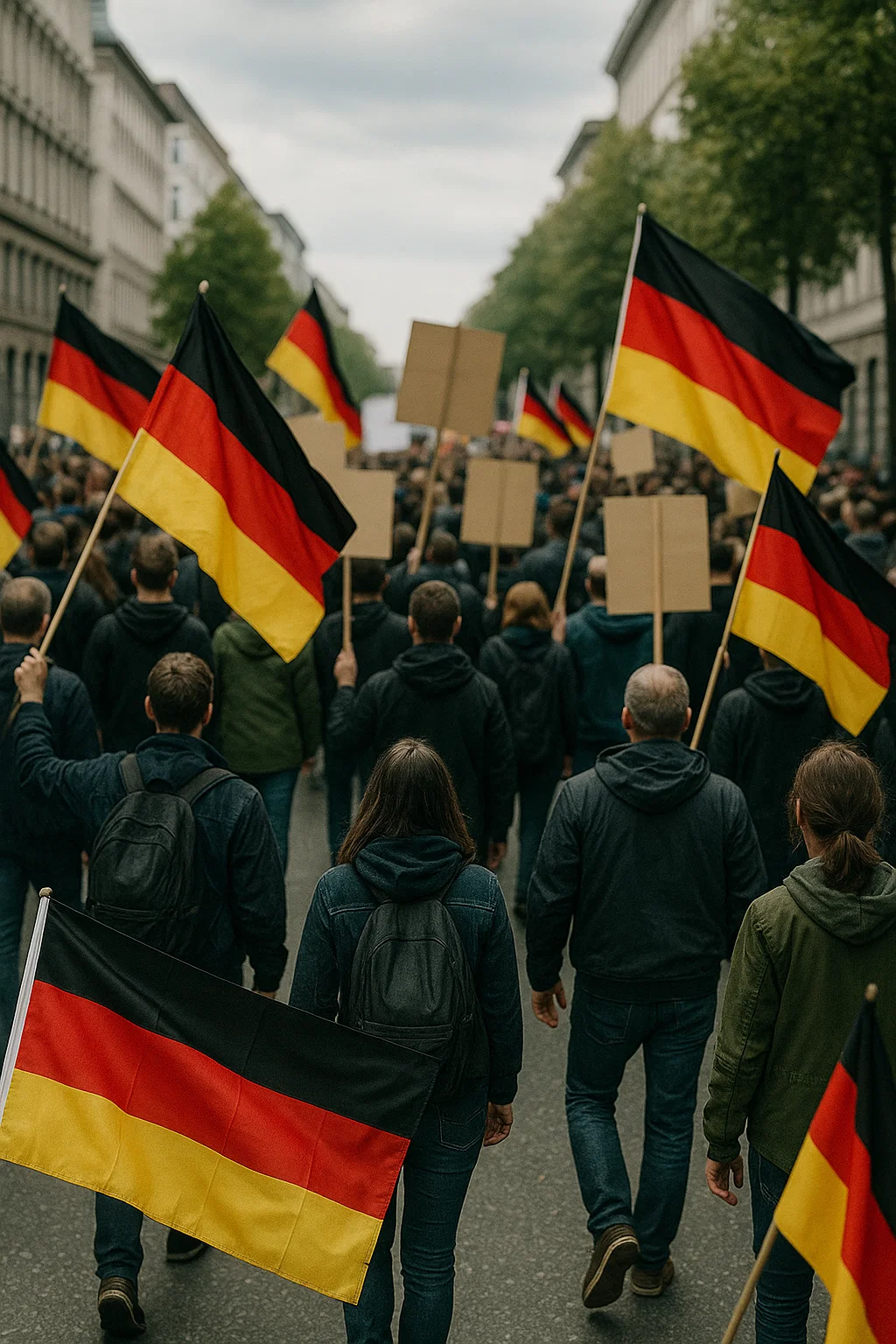
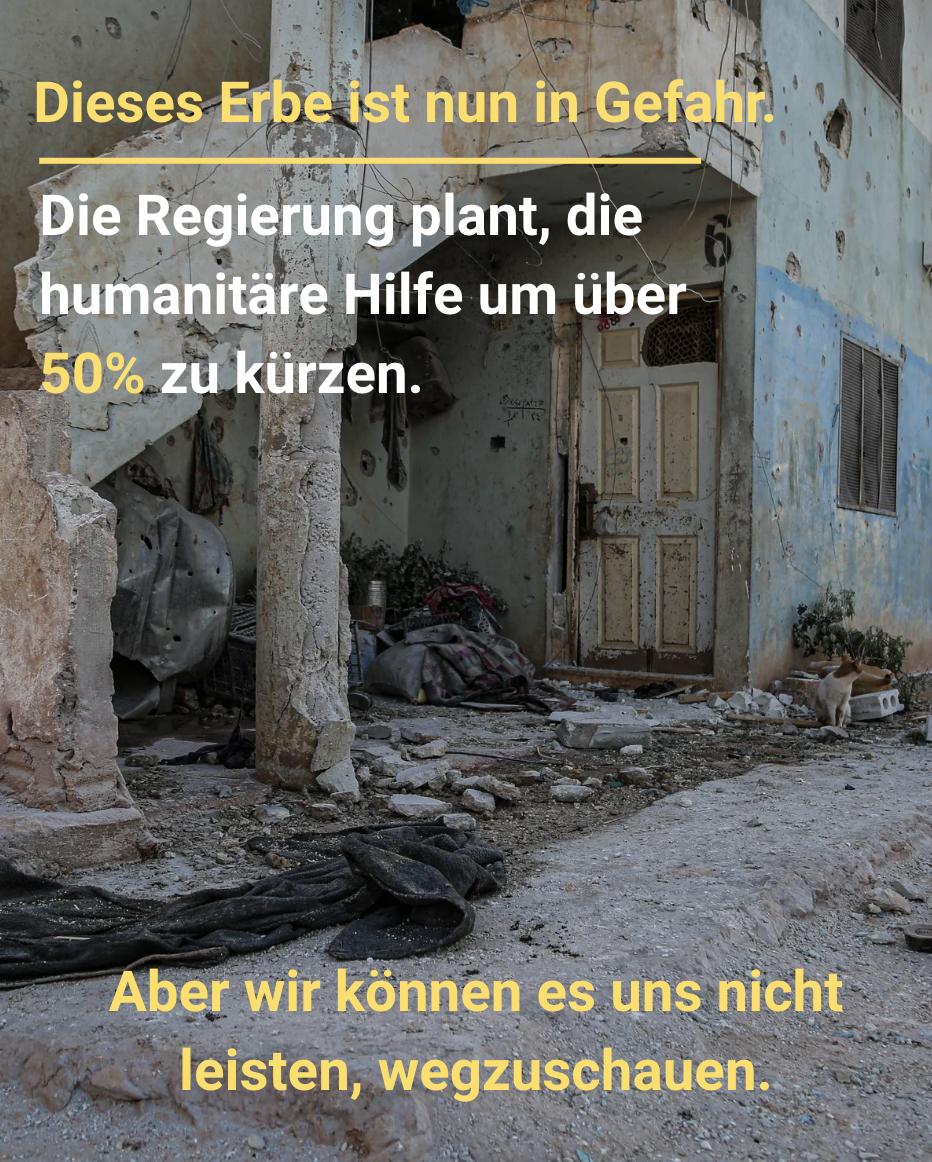
The electoral victory of a right-wing coalition, led by the far-right Party for Freedom (PVV), signaled a dramatic shift towards prioritizing national interests over international humanitarian commitments. The government has already announced significant budget cuts, amounting to a reduction of €300 million in 2025 and €500 million in 2026. Consequently, ODA is projected to fall sharply from 0.66% to just 0.46% of GNI by 2027. However, the future of humanitarian aid is uncertain under the recent breakdown of the Dutch government.
Current government policies increasingly prioritize domestic concerns such as economic stabilization, security, and migration control over global humanitarian commitments. This trend resonates with broader public sentiments shaped by nationalistic narratives and financial self-interest.
Despite a robust historical commitment, Dutch citizens are experiencing growing compassion fatigue, particularly towards remote or politically contentious crises. Although support for humanitarian aid remains relatively strong—64% of Dutch citizens continue to back aid efforts to regions like Gaza—the challenge lies in maintaining engagement in the face of competing domestic issues and political polarization.
Influential right-wing media outlets, including De Telegraaf, WNL, and Elsevier, often frame humanitarian aid issues through a nationalistic lens, fueling public scrutiny and skepticism around foreign aid expenditures.
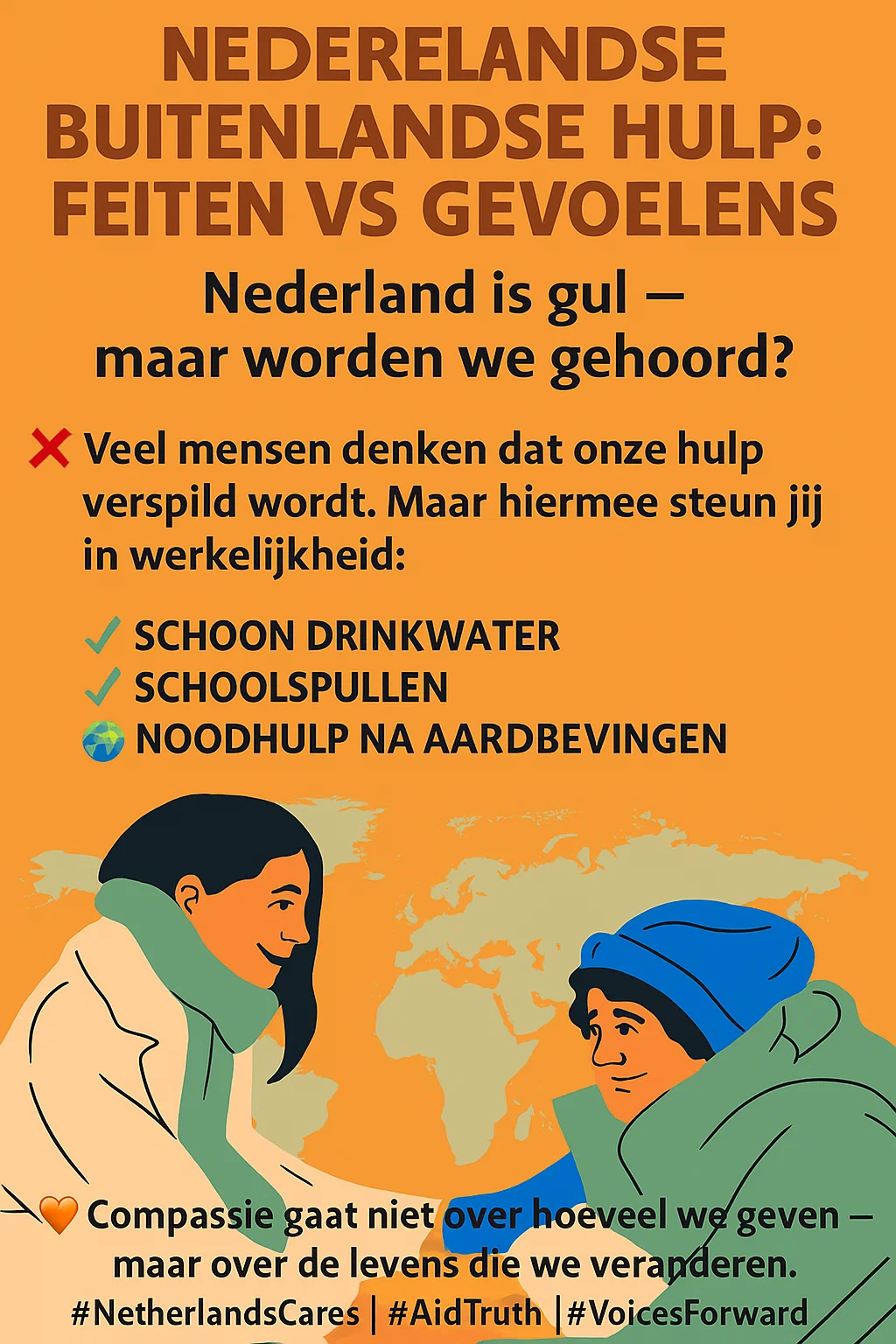
There is an increasing public and governmental demand for transparent reporting on how aid money is allocated and its tangible impact, particularly during politically sensitive crises. Clear communication about outcomes and efficiency is critical to sustaining public support.
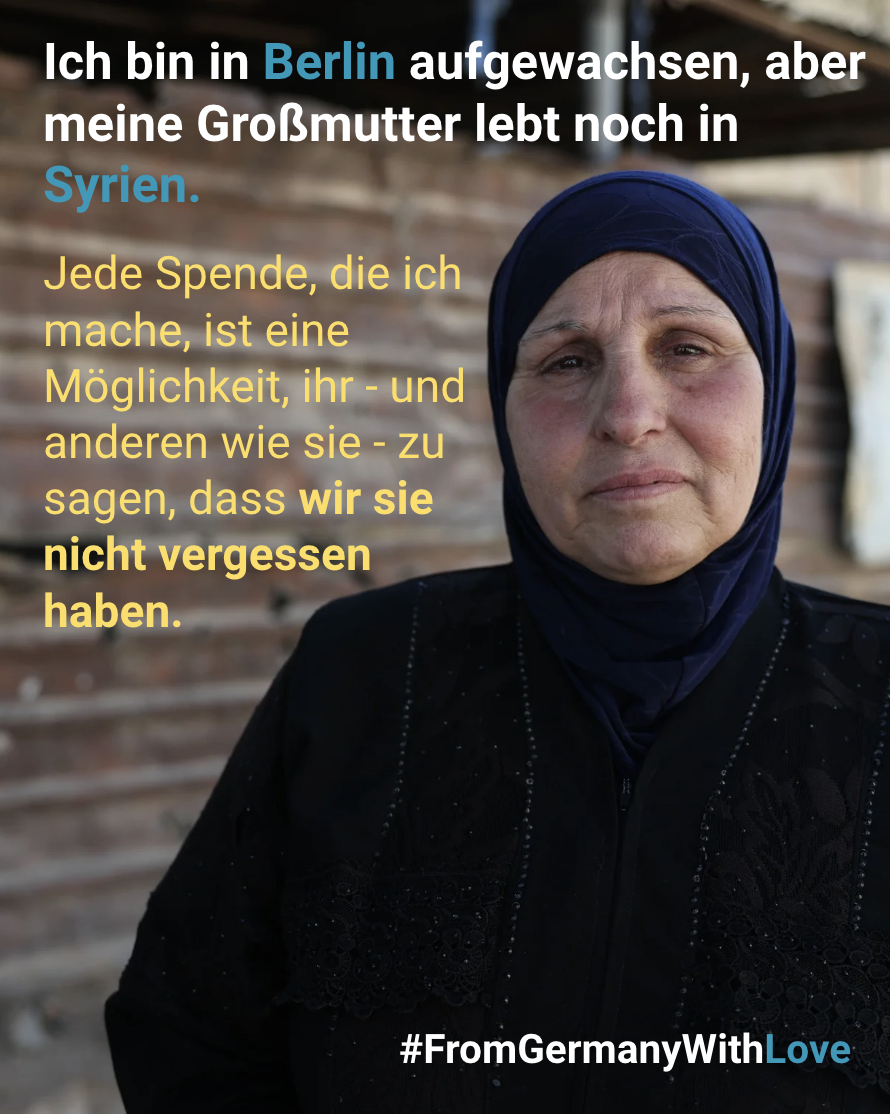
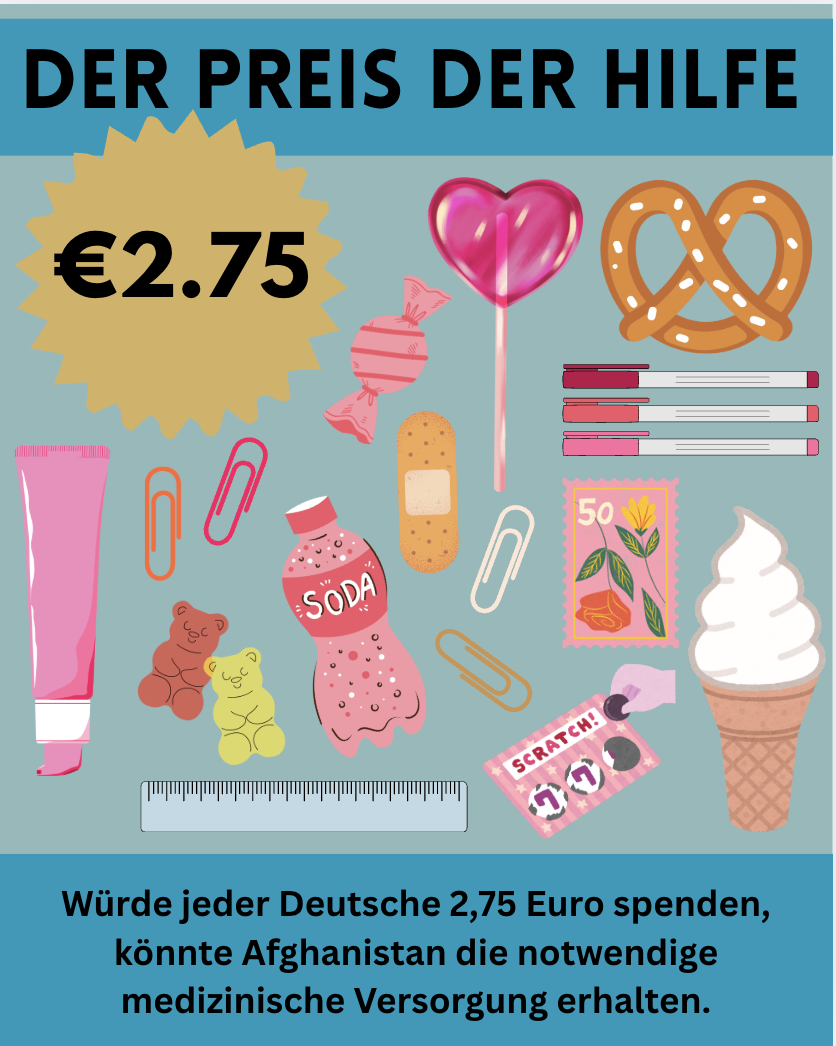




Donations at various levels have clear impacts:
Recommended Trusted Donation Channels:
Delivers water purification tablets for a family for 1 week or provides a basic hygiene kit.
Supports emergency education materials for a displaced child or funds thermal blankets for 4 people.
Covers the cost of a week’s worth of food rations for a family of four or stocks a medical emergency kit for field use.
Enables mobile medical outreach, including staff transport and treatment, or helps install a clean water source in crisis-affected areas.
Would allow a person to access a full hygiene kit
Would guarantee access to clean water for an entire family for a week
Would guarantee one month of nutritious food for a child
Contributes to one day of a mobile clinic covering all costs
Contributes to emergency logistics (fuel, cold chain for vaccines, airlift costs for remote zones)



.jpg)

.svg)